OpenBio-Intel
Open-source clinical market intelligence for biopharma — the AlphaSense/Cortellis alternative you can self-host, read, and audit.
Ask an analyst question and get a cited, structured answer grounded in real primary sources: ClinicalTrials.gov, FDA approvals and rejection letters, PubMed Central, SEC filings, corporate disclosures, live FAERS safety signals, and Orange/Purple Book exclusivity data. Nothing is answered from a language model's memory — every claim traces to a record you can open.
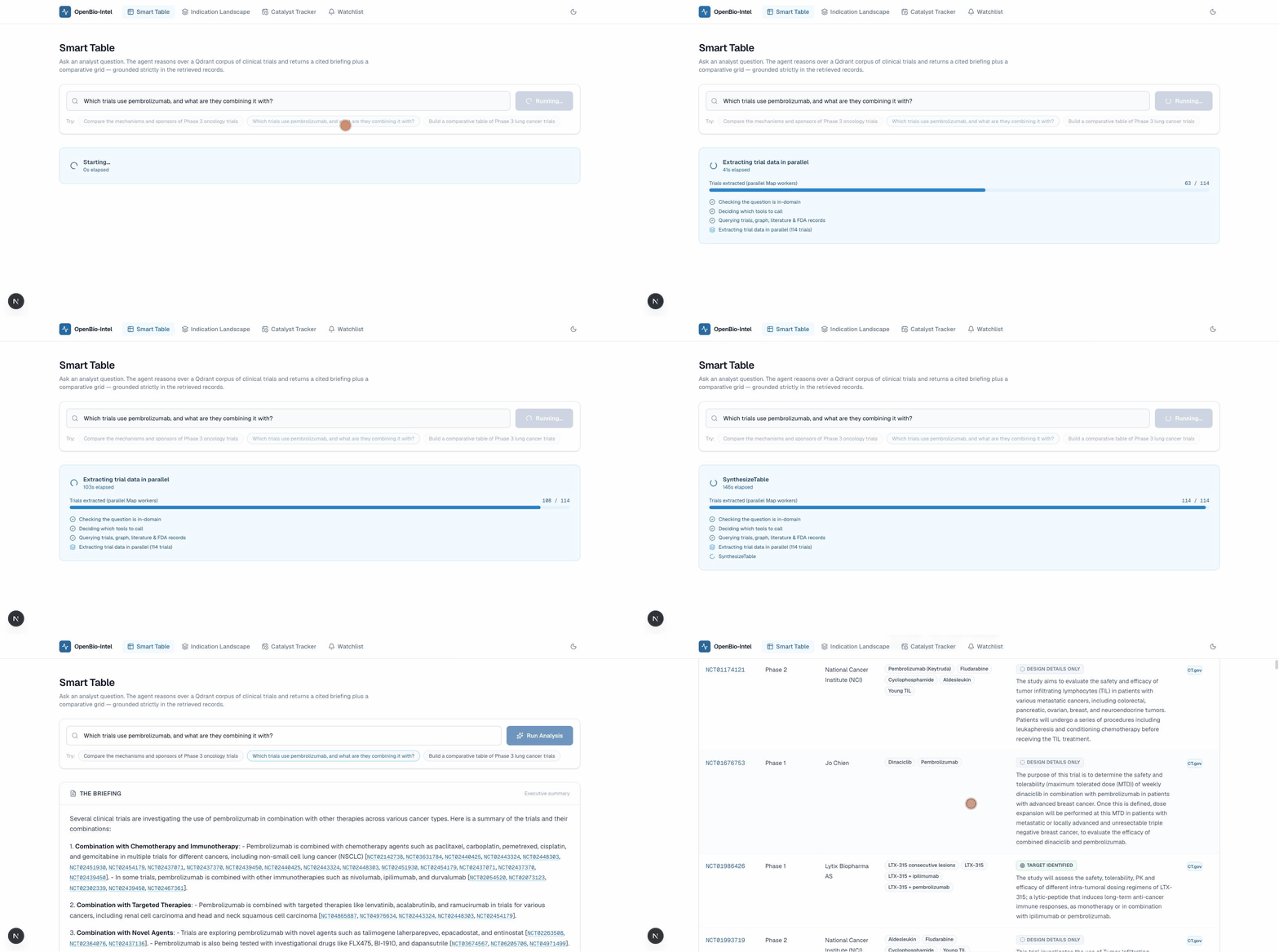
One real query, unedited: hybrid retrieval over 600K+ trials → 114 parallel extraction workers with live progress → a cited executive briefing and a source-linked comparison grid.
What it does
| Feature | What you get |
|---|---|
| Smart Table | Natural-language question → agent-driven federated retrieval → per-trial structured extraction → cited comparison grid + narrative, with clickable provenance on every row |
| Indication Landscape | Competitive matrix (mechanism/target × development phase) for any therapeutic area |
| Catalyst Tracker | Chronological timeline of upcoming readouts, PDUFA dates, and AdComm meetings — mined from the same filings and press releases commercial catalyst calendars are built from |
| Watchlist | Watch drugs/companies/trials/topics; diff ClinicalTrials.gov updates and new FDA rejection letters since your last check |
| Safety signals | Live FAERS reporting-odds-ratio screening per drug |
| Patent cliffs | FDA Orange + Purple Book exclusivity and patent expiry per product |
| Exports | One-click .xlsx / .pptx from whatever you're looking at |
| MCP server | All of the above as tools inside Claude Desktop / Claude Code |
Why open source
Commercial platforms solve a real problem behind five-figure seats and undisclosed methodology. Nearly everything they sell is built from public data — the moat is extraction, entity resolution, and monitoring, not the sources. OpenBio-Intel builds that moat in the open: read the retrieval code, run the benchmark yourself, fork it, extend it.
Start here
- Quickstart — running locally in ~5 minutes with Docker
- Architecture — how the agent, the hybrid index, and the knowledge graph fit together
- Benchmarks — measured retrieval quality, with the methodology and the harness to reproduce it